Thermal bed bug remediation deploys commercial heat delivery systems that penetrate dense structural materials that chemical sprays cannot reach. Bed bug populations (Cimex lectularius) seek harborage behind wall…
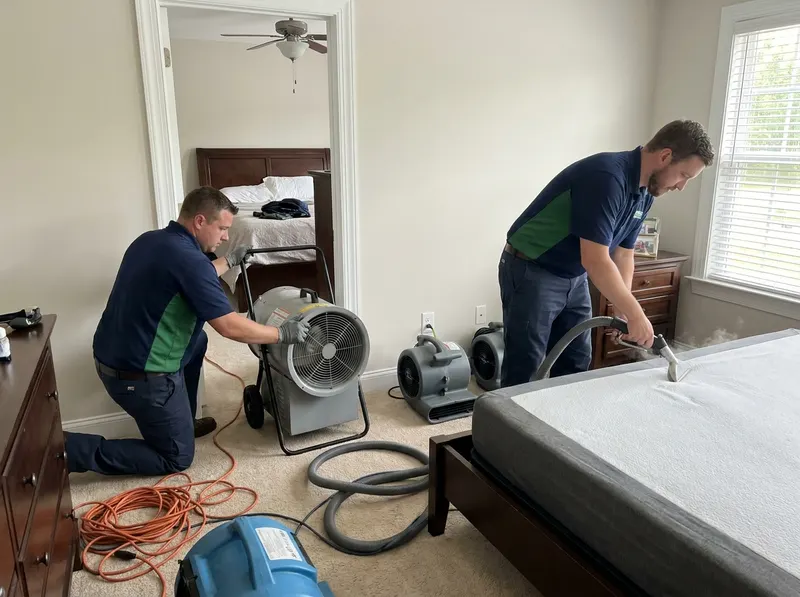
Thermal bed bug remediation deploys commercial heat delivery systems that penetrate dense structural materials that chemical sprays cannot reach. Bed bug populations (Cimex lectularius) seek harborage behind wall outlets, within insulated subfloors, and deep inside woven mattress seams. Raising ambient room temperatures to a sustained lethal threshold of 122°F denatures insect cellular proteins and desiccates egg casings instantly. Precision chemical dust applications into exterior wall voids complement the convective airflow, creating a persistent chemical barrier that intercepts any specimens attempting to migrate into cooler wall cavities. This integrated methodology eliminates the need for mass personal property disposal and establishes an inhospitable perimeter against re-emergence.
Selecting whole-structure thermal remediation over repeated topical chemical treatments represents a clear operational trade-off: thermal remediation requires higher initial electrical power setup, detailed pre-treatment occupant staging, and temporary removal of heat-sensitive domestic goods like wax candles, pressurized canisters, and fine oils, but completes insect mortality across all life stages within 8 hours. Conversely, traditional chemical-only spray protocols require 3 to 4 successive visits spaced across 21-day gestation intervals to neutralize newly hatched nymphs, leaving resident sleep sanctuaries disrupted across consecutive weeks. For high-density townhomes or historic multi-room residences, systemic thermal heat circulation provides absolute penetration into interstitial cavities without leaving airborne residues.
Mecklenburg County's long humid seasons accelerate bed bug gestation rates, particularly across dense residential communities. Historic residences in Dilworth along Kenilworth Avenue and vintage bungalows throughout Plaza Midwood near Pecan Avenue frequently possess tongue-and-groove hardwood floors, radiant radiator cavities, and multi-layered drywall that shelter nested colonies. Similarly, larger multi-level residential layouts common to Queens Road in Myers Park contain complex HVAC ductwork and expansive primary suites where convective thermal distribution provides the sole physical mechanism capable of uniform heat saturation across 2,500 square feet or more. Precise thermal telemetry managed with multi-point remote sensors guarantees structural target temperatures reach 125°F across interior floorplates without causing material warping or finish degradation.
Every job gets a firm, written price after a free on-site visit.
Tell us about your bed bug thermal eradication and precision remediation job in Charlotte and we'll send a clear, written quote, usually the same day.
 ClearZone Pest Control